India Builds Over 1.55 Crore Water Recharge Structures Under Jal Sanchay Jan Bhagidari Initiative

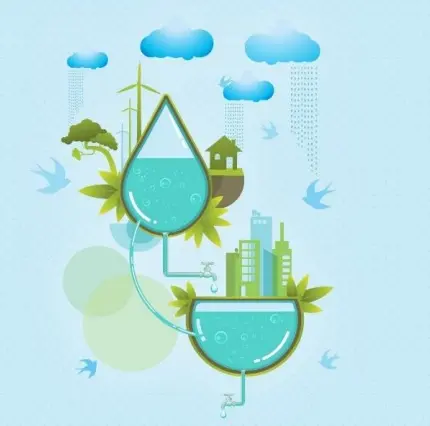
More than 1.55 crore artificial recharge and storage structures have been constructed under the Jal Sanchay Jan Bhagidari (JSJB) initiative, according to an official factsheet released on Monday.
“By linking community ownership with convergence, digital oversight, and asset creation, JSJB: Catch the Rain campaign is laying the foundation for a water-secure Bharat,” the statement said.
Jal Sanchay Jan Bhagidari Focuses on Groundwater Recharge
The JSJB has been integrated with the Jal Shakti Abhiyan: Catch the Rain campaign. The campaign focused on rainwater harvesting, groundwater recharge, water conservation, creation of water assets, and community participation.
It promoted locally appropriate, low-cost interventions and strengthened climate resilience through sustainable water management, the statement noted.
The initiative brought together Panchayati Raj Institutions, urban local bodies, women’s groups, youth, educational institutions, civil society organisations and local communities.
Digital Monitoring Supports Water Conservation Efforts
These stakeholders support planning, implementation and community-led water conservation. JSJB: CTR portal and mobile application have been instrumental in strengthening transparency, monitoring and facilitating public feedback.




Jal Shakti Abhiyan Builds on the 2019 Campaign
JSB: CTR campaign builds on the success of Jal Shakti Abhiyan 2019, which covered 1,592 water-stressed blocks across 256 districts for promoting rainwater harvesting.
It also promoted groundwater recharge, watershed development, rejuvenation of water bodies, afforestation, and community participation through a Jan Andolan approach.
“Water conservation has evolved into a community-driven movement focused on sustainable water management. Initiatives such as Catch the Rain and Jal Sanchay Jan Bhagidari promote rainwater harvesting, groundwater recharge, and restoration of water bodies,” the statement noted.
Scientific planning, local ownership, and convergence of resources are strengthening water security, rural livelihoods, and climate resilience.
Read More:
PM GatiShakti: Centre evaluates key infrastructure projects
Groundwater dominates Ganga’s flow in plains, not glacier melt: IIT Roorkee study