నిన్న మనం గాణుగా పూర్ గురించి మాట్లాడుకున్న తర్వాత మీకు మరొక ఆలయం గురిచి చెప్తాను అన్నాను, కదా అదే కురువా పూర్ దేవాలయం.
గాణుగాపూర్ నుండి వచ్చాక ఒక 20 ,25 కిలోమీటర్ల దూరంలో ఉన్నదే కురువా పూర్ ఇక్కడ దత్తాత్రేయ స్వామి మనకు నిలువుగా నిలబడి కనిపిస్తారు. గాణుగా పూర్ లో మనం కిటికిలో నుండి స్వామి దర్శనం అయితే ఇక్కడ మొత్తం స్వరూపాన్ని చూడవచ్చు.అయితే ఇక్కడికి వెళ్ళాలి అంటే కాస్త కష్టపడాలి అంతే స్వామి దర్శనం కోసం ఆ మాత్రం చేయడంలో తప్పులేదని నా అభిప్రాయం
ఇంతకీ ఎలా వెళ్ళాలి
బస్సు లోనే ఇక్కడికి వెళ్ళాలి అయితే ఫ్యామిలీ ట్రిప్ వేసినప్పుడు కారులో అయితే కాస్త మనకు కంఫర్ట్ గా ఉంటుంది అని చెప్పవచ్చు. అయితే ఇక్కడికి వెళ్ళాక కూడా స్వామి మనకు పరీక్ష పెడతాడు.ఇక్కడ నది ప్రవహిస్తూ ఉంటుంది.
నిరంతరం ప్రవహించే నది ఉప్పొంగుతూ ఉంటుంది.ఎప్పుడు అలలు పొంగుతాయో ఎప్పుడు శాంతంగా ఉంటుందో చెప్పలేం కాబట్టి నది ని దాటడానికి అక్కడ పడవలు ఉంటాయి ,కాని ఆ పడవలు చాలా చిన్నగా ఉంటాయి.వాటిని పుట్టి లు అంటారు. ఒక్కొక్కరికి 50 రూపాయలు తీసుకుని ఈ వైపు నుండి ఆ వైపుకి తీసుకుని వెళ్తారు. వెళ్ళేటప్పుడు ఆ పుట్టిలో చాలా మందిని ఎక్కించుకుంటారు.
అలా కాకుండా కేవలం ఇద్దరు చొప్పున వెళ్ళాలి డబ్బులు కాస్త ఎక్కువ అయినా మనం ఫ్రీగా వెళ్ళాలి అనుకుంటే అలా వెళ్ళాలి కాబట్టి పుట్టి లో వెళ్తున్నప్పుడు అందులో మొసళ్ళు కూడా ఉంటాయి.

నది లో అక్కడక్కడ చెట్లు ,చేమలు పోదల్లా ఉంటాయి, కాబట్టి ఆ చెట్ల చుట్టూ నుండి తిప్పుతూ తీసుకుని వెళ్తారు.అలా వెళ్తున్నప్పుడు కాస్త భయంగాను, కాస్త ఆసక్తిగానూ అనిపిస్తుంది. కొత్త అనుభవం పులకరింతలు,నది ప్రవహించే గలగలలు, చుట్టూ పక్షుల కిలకిలరావాలతో మనసు ఉత్తేజభరితంగా అనిపిస్తూ గాల్లో తేలుతున్నట్టు అనిపించడం మానదు.
అలా కాసేపు తిరిగిన తర్వాత ఒడ్డున పుట్టిని ఆపేస్తారు.అక్కడ జాగ్రత్తగా దిగగానే పుట్టివాళ్ళు ఎంతసేపు ఉంటారు అని అడుగుతారు.మనం సమయం చెప్పగానే ఒక గంటలో వస్తామని చెప్పి, వాళ్ళు వెళ్ళిపోతారు. వాళ్ళు వెళ్ళగానే అప్పటి వరకు ఉన్న హడావుడి తగ్గిపోయి ఒక నిశ్శబ్ద వాతావరణం కనిపిస్తుంది, కానీ స్వామిని చూడాలన్న కోరికతో వడివడిగా ఊర్లోకి వెళ్తాం, కానీ అక్కడ ఊరి ప్రజలు చాలా తక్కువగా ఉంటారు.
వాళ్ళంతా రాత్రి కాగానే అక్కడి నుండి వెళ్ళిపోయి,మళ్ళి వస్తారు అంట,పశువులను కాయడానికి, పొలం పనులు చేయడానికి మాత్రమే వస్తారు. గట్టిగా లెక్క పెడితే ఒక 20 ఇళ్లకన్నా ఎక్కువ ఉండవు. అవి కూడా ఎవరైనా టూరిస్ట్ లు రాత్రి నిద్ర చేయాలి అనుకుంటే వంట చేసి పెట్టడానికి ఉన్నవాళ్లు,అలాగే లోపలికి వెళ్ళగానే ఆలయ పరిసరాల్లో అటువైపు ఇటువైపు గదులు కన్పిస్తాయి. అవి భక్తులు ఉండడానికి నామ మాత్రపు రుసుంతో అద్దెకు ఇస్తారు.
అయితే ఆ పరిసరాలు చూసాక ఆక్కడ ఉండే సాహసం ఎవరూ చేయలేరు. ఎందుకంటే ఒక్కోసారి నిశ్శబ్దం కూడా అతి భయంకరంగా ఉంటుంది గనక,కాని దేవుడు ఉన్నాడు కదా భయం దేనికి అంటే సమాధానం లేదు. ఇక లోపలి కి వెళ్ళాడానికి ఆలయ ముఖ ద్వారాలు చాలా బందోబస్తుగా ఉన్నాయి. లోపలికి వెళ్ళాక రెండూ వైపులా కట్ల తలుపులు ఉన్న గదులు ఉంటాయి. వాటిలో ఆలయ అర్చకులు నివాసం ఉంటారు.
వెళ్ళిన తర్వాత పక్కనే గుట్టలుగా పంచెలు ఉంటాయి, కళ్ళు చేతులు కడుక్కుని ఆ పంచెలు మగవారు ధరించాలి, ఆడవారు ఎలాగు చీరలో ఉంటారు కాబట్టి వారికి అవసరం లేదు,పంచెలు కట్టుకున్న తర్వాత ఆలయ ముందు భాగం లో ఉన్న రావి,జువ్వి చెట్లకు ప్రదక్షిణాలు చేసి తిరిగి ఆలయంలోకి వెళ్తే అక్కడ మనకు అర్చన చేస్తారు,దత్తాత్రేయుడు పాలరాతి విగ్రహంతో మూడు ముఖాలు కలిగి నిలువుగా నిల్చున్న విగ్రహాన్ని అలా చూస్తూ ఉండాలి అనిపిస్తుంది.
అర్చన జరిగిన తర్వాత పురోహితులు మనకు తీర్థప్రసాదాలు ఇస్తారు తీర్థం తులసి తీర్థం అయితే ప్రసాదం , పటిక ఇస్తారు అవి తీసుకుని ఆ గుడి చుట్టూ ప్రదక్షిణాలు చేసినా తర్వాత బయటకు వస్తే కాస్త దూరంలో నవగ్రహాలు ఉంటాయి ఆ నవగ్రహ ఆలయంలోకి వెళ్లి దర్శనం చేసుకొని బయటకు వచ్చిన తర్వాత కాస్త దూరంలోనే శివుడు కొలువై ఉంటాడు అయితే ఇక్కడ ఈ శివుడు చాలా ప్రత్యేకంగా కొలువై ఉంటాడు.
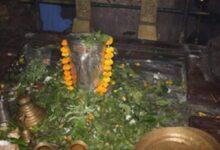
ఒక పెద్ద మర్రిచెట్టు కింది భాగంలో ఒక చిన్న రంధ్రం లాగా ఉంటుంది కేవలం ఒక మనిషి మాత్రమే పాకుతూ వెళ్లగలడు.అలా పాకుతూ వెళ్తే అక్కడ ఉన్న శివలింగం మనకు దర్శనం ఇస్తుంది.
అయితే ఇందులోకి వెళ్ళిన తర్వాత శ్వాస ఆడడం చాలా కష్టం అవుతుంది కాబట్టి ఇక్కడ ఎక్కువసేపు ఉండలేము ఎలా వెళ్ళాము అలాగే వెనక్కి రావాల్సి ఉంటుంది అంటే పాకుతూ వెళ్లి మళ్లీ ముందుకు వచ్చి పాకడం కాకుండా వెనకనుంచి వెనకకే పాకుతూ రావాలి. ఇలా వెళ్లడానికి సన్నగా ఉన్న వారికి మాత్రమే అవకాశం ఉంటుంది కాస్త లావుగా ఉన్నవారు వెళ్తే మాత్రం మధ్యలో ఇరుక్కుంటారు.
అయితే మంచి మనసుతో వెళ్తే లావుగా ఉన్నవారు కూడా శివుడి దర్శనం జరుగుతుందని ఇక్కడి వారి నమ్మకం. ఒకవేళ ఏదైనా పాపపు పనులు చేసిన వారు వెళ్లడానికి ప్రయత్నిస్తే లోపలికి వెళ్లకుండా బయటకు రాకుండా మధ్యలోనే ఇరుక్కుపోవడం జరుగుతుంది అంటే ఈ శివుడు చాలా మహిమాన్వితుడు అని అర్థం.
శివ అనుగ్రహం పొందిన తర్వాత బయటకు వచ్చాక చాలా ప్రశాంతంగా అనిపిస్తుంది. మన వెంట ఏవైనా ఆహార పదార్థాలు తీసుకొని వెళ్తే అక్కడ కూర్చొని తినేసి రావచ్చు. కానీ అక్కడ కొనుక్కోవడానికి ఏమీ ఉండదు చుట్టూ అడవి మధ్యలో గుడి మాత్రమే ఉంటుంది ఇంకొక విశేషం ఏమిటంటే ఇక్కడ ఉన్న ఇళ్లకు గుడికి మొత్తం తెలుపు రంగు మాత్రమే ఉంటుంది.
మిగతా రంగులు మనకు ఏవీ కనిపించవు ఒక్క నవగ్రహ ఆలయంలో తప్ప, పొద్దున పూట వెళితే బాగుంటుంది మధ్యాహ్నం లేదా సాయంత్రం సమయంలో వెళ్తే మాత్రం చాలా భయం వేస్తుంది.
ఇంతలోపు మళ్లీ మనల్ని తీసుకువెళ్ళడానికి పడవ వాళ్ళు వస్తారు వాళ్లు లోపలికి రాకుండా నది దగ్గర్నుంచి పుట్టి వెళ్తోంది అంటూ గట్టిగా అరుస్తారు ఆ అరుపులు విని మనం మళ్లీ నది వరకు వెళ్తే మనల్ని ఎక్కించుకొని మనం ఎక్కడైతే ఎక్కాము మళ్లీ అక్కడికి చుట్టూ తిప్పుతూ అక్కడి విశేషాలు గురించి చెప్తూ తీసుకొని వెళ్తారు.
అయితే ఎందుకింత ఆభయారణ్యంలో స్వామి కొలువై ఉన్నాడు, వీళ్ళు ఎందుకు భయపడుతున్నారు అనే దానికి సాక్ష్యం ఏమీ లేదు. కాకపోతే రాత్రిపూట స్వామి అక్కడ తిరుగుతాడని ప్రతీతీ ఉంది.
మేము వెళ్ళినప్పుడు సాయంత్రం అయింది. అక్కడి వాతావరణం చాలా నిశ్శబ్దంగా ప్రశాంతంగా అనిపించింది బాధలన్నీ మర్చిపోయి ఇక్కడే ఉండొచ్చు కదా అనే భావన మనసులో కలిగింది. కానీ అక్కడికి అడవి జంతువులు వస్తాయి కాబట్టి జాగ్రత్తగా ఉంటాము అని అక్కడివారు చెప్పడం వల్ల మాకు భయం వేసింది.
అలాగే రాత్రి కాగానే ఆలయంలోపల ఉన్న పూజారులు ఆలయాన్ని మూసివేసి వాళ్ళ తలుపులు కూడా మూసి వేసుకొని ఉంటారట కారణం ఏమిటి అని పురోహితులను అడిగినప్పుడు ఇది దశాబ్దాలుగా జరుగుతుంది మేము కూడా పాటిస్తున్నాం క్రూర మృగాలు తిరుగాడే అడవి కాబట్టి మా జాగ్రత్తలో మేము ఉంటున్నాం అలాగే స్వామికి సేవ చేసుకుంటున్నాం అనే సమాధానం వచ్చింది.
ఇక మేము మళ్ళీ ఒకసారి దత్తాత్రేయుని మనసారా తలుచుకుని పుట్టి ఎక్కి మళ్ళీ మేము వచ్చినా ప్రదేశానికి వెళ్లి అక్కడ కాసేపు ఉన్నాము అక్కడ జాలరులు ఇక్కడి నుంచి ఈ నదిని దాటడానికి చాలామంది భయపడతారు బయట నుంచి బయటకి నమస్కారం చేసుకొని వెళ్తారు.
కొందరు ధైర్యం చేసి వెళ్లిన నది మధ్యలోకి వెళ్లిన తర్వాత వారికి భయం వేసి వెనక్కి వచ్చిన వాళ్లే చాలామంది అంటూ చెప్పారు అలాగే అక్కడ ముసల్లు కూడా తిరుగుతాయి అని కూడా చెప్పడం వల్ల మేము ఆశ్చర్యపోయాము ఎందుకంటే ముందే చెప్తే భయపడి వెళ్ళాము అని వాళ్ళు చెప్పలేదట.
అక్కడ ఉన్న పడవ వాళ్లకు భక్తులు ఇచ్చే డబ్బులే జీవనాధారం అలాగే ఆ నదిలో ఉన్న చేపలు పట్టి కూడా వాళ్ళు జీవనం సాగిస్తారు.
కానీ గానుగాపూర్ దత్తాత్రేయుని దర్శించుకున్న వారు కచ్చితంగా ఇక్కడికి వెళ్లాల్సి ఉంటుంది అయితే చాలామందికి ఈ విషయం తెలియక గానుగా పూర్ వరకే వెళ్లి తిరిగి వెళ్ళిపోతారు అంతేతప్ప ఈ గ్రామం గురించి ఎవరికి ఎక్కువగా తెలియదు.
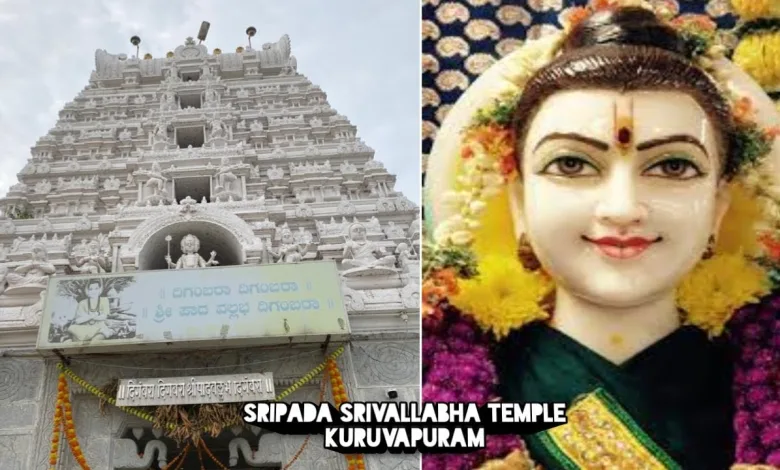
శ్రీ దత్తాత్రేయ మొదటి అవతారంగా భావించే శ్రీపాద శ్రీ వల్లభ దేవాలయం కర్ణాటక రాష్ట్రం రాయిచూరు జిల్లాకు చెందిన కురుపురంలో ఉంది. ఈ ఆలయం తెలంగాణ, కర్ణాటకరాష్ట్రాల సరిహద్దులో, కృష్ణా నది మధ్యలో గల ద్వీపంలో ఉంది. పాదుకా రూపంలో దర్శనం ఇస్తున్నారు. ఈ గ్రామాన్ని కురుగడ్డి, కురువాపూర్, కురుగడ్డ అంటారు.
శ్రీపాద శ్రీ వల్లభ తన జీవితంలో చాలా కాలం ఇక్కడే నివసించాడు. ఇక్కడ అనేక లీలలు చేశాడు అని శ్రీ గురు చరిత్ర, ఇతర పవిత్ర పుస్తకాలలో ఉంది. గురుచరిత్ర ప్రకారం కురుపురం సందర్శించిన వారిని, అన్ని సమస్యలను నుండి విముక్తి కలుగుతుంది, ఆరోగ్యం బాగుపడి, సంపన్న జీవితం గదుపుతారు. ఇక్కడ శ్రీ తెంబే స్వామి ధ్యానం చేసే గుహ ఉంది. కురుపురం చాలా ప్రశాంతంగా ఉంటుంది.
కురుపురం చేరుకోవడానికి తరచుగా ఉపయోగించే రెండు మార్గాలున్నాయి. కర్ణాటక రాష్ట్రంలో రాయచూర్ ద్వారా ఒకటి. మరొకటి తెలంగాణ రాష్ట్రంలో మక్తల్ ద్వారా ఉంది. ఎటునుండి వెళ్ళినా ఈ ద్వీపం చేరుకోవడానికి పుట్టి లేదా తెప్ప ద్వారా కృష్ణానదిని దాటాలి.
రాయచూర్, పూనే నుండి రైలు ద్వారా 10 లేదా 12 గంటల ప్రయాణం. రాయచూరులో రైలు దిగి అత్కూర్ (40 కిలోమీటర్ల) వరకు బస్సులు, రిక్షాలూ నడుస్తూంటాయి. గుల్బర్గాకు వెళ్ళే రహదారిపై మసీదు తర్వాత కుడి మలుపు తీసుకొన్నాకదాదాపు 35 కిలోమీటర్ల దూరంలో దేవాలయం ఉంది. పుట్టి లేదా తెప్ప ద్వారా కృష్ణా నదిని దాటుతారు. కావున సాయంత్రం 4 గంటల లోపు ప్రయాణం పూర్తి చేసుకోవాలి.
మక్తల్ (మహబూబ్ నగర్ జిల్లా, తెలంగాణ) మహబూబ్ నగర్ బస్సు స్టేషన్ నుండి 68 కిలోమీటర్ల దూరంలోను, హైదరాబాదు నుండి 168 కిలోమీటర్ల దూరంలో ఉంది. మహబూబ్ నగర్ నుండి రాయచూరు వెళ్ళే బస్సులు కొన్ని, మక్తల్ వద్ద ఆగుతాయి.
మక్తల్ నుండి కృష్ణ నది ఒడ్డుకు, ఆటో లేదా టాక్సీ (జీప్) ద్వారా చేరుకోవచ్చు. కృష్ణా నది ఒడ్డు నుండి మక్తల్ 17 కిలోమీటర్ల దూరంలో ఉంది. చిన్న పడవలు (పుట్టి లేదా తెప్ప) అద్దెకు తీసుకొనవచ్చు ఇక్కడ నది ఒడ్డున రెండు స్థానాలు ఉన్నాయి. వన్ పంచదేవ్ పహాడ్, మరొక ఒక విఠల్ బాబా ఆశ్రమం వెనుక, ఆశ్రమం నుండి 1 కి.మీ. దూరంలో ఉంది.వర్షా కాలంలో కృష్ణా నదిలో నీరు నిండుగా ఉన్నప్పుడు, విఠల్ బాబా ఆశ్రమం సమీపంలో పుట్టి లేదా తెప్పల సంఖ్య తక్కువ ఉంటుంది. ప్రయాణం కూడా ప్రమాదకరం.
కాబట్టి ఈ ఆలయానికి వెళ్ళాడనికి వేసవి కలం ఉత్తమమైనది.మీరు కూడా ఒకసారి వెళ్ళి ఆ అనుభూతులను అన్ని అనుభవించి,దర్శనం చేసుకుని రండి..