E20 Fuel Compatibility Only Some Pre-2016 BS-III Vehicles May Need Minor Changes, Says Nitin Gadkari

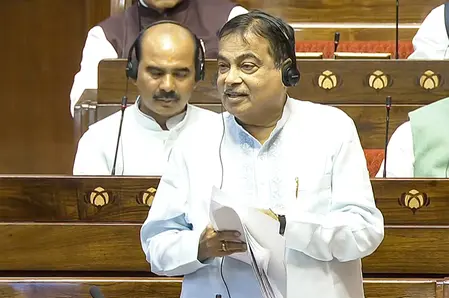
Road Transport and Highways Minister Nitin Gadkari on Wednesday clarified that E20 fuel compatibility does not require engine modifications for most vehicles, with only some BS-III vehicles manufactured before 2016 potentially needing minor replacement of rubber parts and gaskets. The clarification comes amid growing adoption of ethanol-blended petrol under India’s Ethanol Blended Petrol (EBP) Programme.
E20 fuel compatibility does not require engine modifications
In a written reply to a question in the Upper House, Gadkari said that extensive studies conducted by Indian Oil Corporation, the Indian Institute of Petroleum (IIP), Dehradun, the Society of Indian Automobile Manufacturers (SIAM) and the Automotive Research Association of India (ARAI) found no need to modify engines of either cars or two-wheelers for the use of E20 fuel.
The studies showed that even older vehicles did not experience any significant changes in performance or abnormal wear and tear after operating on petrol blended with 20 per cent ethanol, the minister said.
“No issues were reported in parameters such as drivability, startability, metal compatibility, and plastic compatibility,” Gadkari said.
Some pre-2016 BS-III vehicles may need minor replacements
“Only in case of testing done on BS-III vehicles introduced from 1st April, 2005, and manufactured prior to 2016, some rubber parts and gaskets may require replacement, which can be easily managed during the routine servicing regime of the vehicle,” he observed.
NITI Aayog committee reviewed E20 fuel performance
Addressing concerns over fuel efficiency, Gadkari said automobile manufacturers and vehicle-testing agencies had clarified that mileage depends on multiple factors and cannot be attributed solely to the use of E20 fuel.


The minister further stated that an Inter-Ministerial Committee, constituted by NITI Aayog on December 26, 2020, had comprehensively examined vehicle compatibility as well as mileage and efficiency aspects of ethanol blending with petrol. The committee’s assessment was supported by studies carried out by Indian Oil, ARAI and SIAM.
The committee’s report titled Roadmap for Ethanol Blending in India 2020-25 was released in June 2021 before the E20 fuel was introduced. It examined material compatibility, engine calibration, fuel systems, drivability, durability, emissions and fuel efficiency after consultations with automobile manufacturers, oil marketing companies and agricultural experts.
India continues phased rollout of ethanol-blended petrol
Gadkari said the Ethanol Blended Petrol (EBP) Programme has been implemented through a “phased, calibrated, scientifically validated and consultative approach.”
He also highlighted that ethanol-blended fuel has been used globally for over a century, with countries such as Brazil operating on even higher ethanol blends for decades.
Read More:
India’s automobile industry rises to world’s third largest, says Nitin Gadkari
Bharat NCAP 2.0 to Roll Out in 2027 as Gadkari Proposes Licence Points System for Drivers