Shubman Gill, the newly-crowned top-ranked men’s ODI batter, hit a gritty eighth century in the 50-over format and led India to a six-wicket win over Bangladesh to kick off their 2025 ICC Champions Trophy campaign on a high at the Dubai International Stadium on Thursday.
After Mohammed Shami’s 5-53 helped India bowl out Bangladesh for 228, Gill took his time before grinding it hard on a sluggish pitch and amidst the pressure of wickets falling around to hit an unbeaten 101 off 129 balls, laced with nine fours and two sixes. Though it’s his slowest ODI hundred, it was worth its weight in gold for India to go into the clash against Pakistan with more confidence.
Gill got good support from captain Rohit Sharma, who made a quick 41, and later from KL Rahul, who fought through a tricky period to hit a very calm and composed 41 off 47 balls, thus showing why he’s preferred ahead of Rishabh Pant for the wicketkeeper-batter slot, as India finished off the chase with 21 balls to spare.
Chasing 229, Gill began with a glorious pull and loft off Taskin Ahmed for two fours, while Rohit took time to get going as Mustafizur Rahman squared him up with angled across deliveries. After that, Rohit opened up spectacularly to hit him for five boundaries, one of which made him the fourth Indian batter to cross 11,000 runs in ODIs mark.
After Gill flicked Taskin over mid-on for four, Rohit steered him for two boundaries through the off-side in the eighth over. Gill wowed everyone by unfurling a short-arm jab and hitting Taskin over cover for six and four respectively. But Rohit’s quick start ended when he charged down the pitch to loft Taskin but toe-edged to cover-point and fall for 41 off 36 balls.
With the ball turning old and now dew there, Bangladesh’s spinners found some turn, meaning that Gill and Virat Kohli had to take the slow route. Just when it seemed like Bangladesh were building pressure firmly, Kohli got his first boundary by pulling a short ball down leg-stump from Mehidy Hasan Miraz. But in the next over, Kohli couldn’t keep the cut down and sliced straight to the backward point off leg-spinner Rishad Hossain.

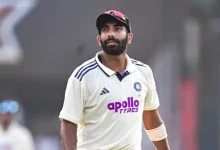


Gill marched forward to get his fifty in 69 balls, the slowest half-century he’s ever hit in ODIs, even as Shreyas Iyer survived a run-out chance. After slashing Mustafizur through backward point, Shreyas fell on the very next ball as he toe-ended a loft on an off-cutter to mid-off. Three overs later, Axar Patel went for a slog, but got a top edge and Rishad caught it safely off his own bowling.
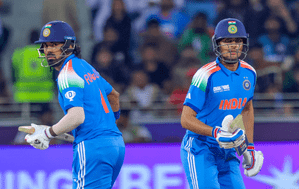
Gill and KL Rahul displayed a sensible approach – mainly looking to rotate the strike and hitting a boundary when the ball was ideal to be sent to the ropes. Rahul got a life on nine when Jaker Ali dropped his catch at deep square leg. To rub salt in the wounds, Bangladesh bowled two loose balls which Gill and Rahul duly hit for four and six respectively.
Gill going back and short-arm jabbing Rishad through mid-wicket for four brought up the fifty of his important partnership with Rahul, who later cut Rahman through point for a lovely boundary. Gill flicked and pulled Tanzim for six and four respectively, before bringing up his century. Rahul finished the chase in style with a pulled six and helped India kick off their Champions Trophy campaign with a win.
Brief scores:
Bangladesh 228 all out in 49.4 overs (Towhid Hridoy 100, Jaker Ali 68; Mohammed Shami 5-53, Harshit Rana 3-31) lost to India 231/4 in 46.3 overs (Shubman Gill 101 not out, Rohit Sharma 41; Rishad Hossain 2-38, Taskin Ahmed 1-36) by six wickets