Telangana Government Employees Working Hours Extended by One Hour Daily as Revanth Reddy Issues Order

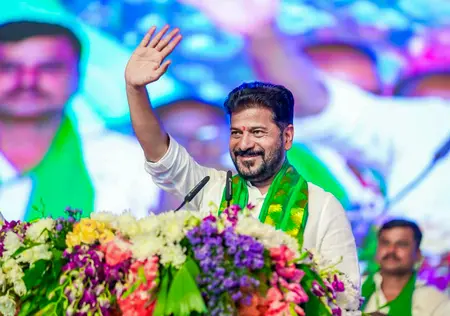
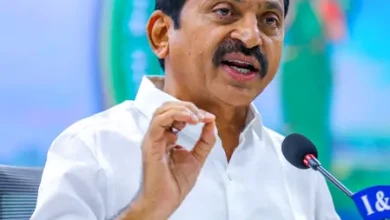
Telangana Chief Minister A. Revanth Reddy, on Thursday, appealed to all state government employees to work for an extra hour every day to achieve more productive outcomes in administration, especially in enhancing state revenues.
Telangana Government Employees Asked to Work Extra Hour
The Chief Minister stressed that illegal activities should be curbed and leakages should be plugged to generate more revenue.
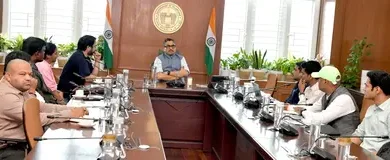
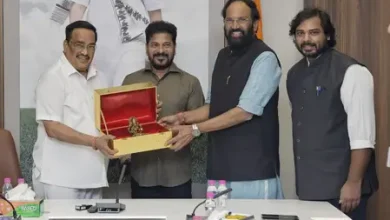
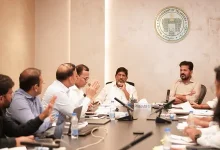
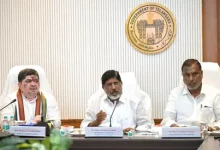
Addressing a meeting after signing MoUs with banks to provide insurance coverage to all government employees, the Chief Minister said that the hard work of employees will only help in the successful implementation of welfare schemes.
Stating that employees’ trust is the government’s strength, he said all employees should work an extra hour each day to increase the state government’s revenue. He added that the increased revenue would be used for employees’ welfare, and that earning a good reputation for the government is also in the hands of state employees.
He called upon all employees to come together to make Telangana the number one state in the country. The government has accorded top priority to maintaining law and order and attracting investments to the state, the Chief Minister said, and assured that the government will stand by the employees.
Insurance Cover Extended to Government Employees
The Chief Minister highlighted the government’s commitment to provide insurance coverage to all government employees, as well as outsourcing and contract workers. After handing over Rs 1 crore insurance payout to the families of 45 Singareni workers who died in accidents, the state government decided to extend similar insurance coverage to all employees.
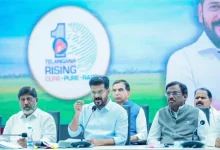
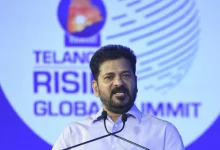
He said it was the responsibility of the government to provide financial support to the families of employees who died suddenly, and that such a big insurance scheme would instil courage and a sense of reassurance in employees’ families in difficult times.
He said this was why the government signed an agreement with bankers today to provide accident insurance for state government employees.
CM Revanth Reddy appealed to employees to bring their demands and grievances to his notice, as the government is ready to address them.
Revanth Reddy Targets Development and Employee Welfare
The Chief Minister blasted the KCR government for landing the revenue surplus Telangana into bankruptcy, amassing a debt of Rs 8.11 lakh crore in just 10 years.
He recalled that during the BRS rule, employees were never paid salaries on the first day of every month. He said that, despite hurdles, his government was ensuring that employees received their salaries promptly.
The Chief Minister took strong exception to the opposition’s use of the term “Gumpu Mestry” (group leader) in a negative sense. He stated that, in fact, he is a group leader of government employees who are active in bridging connections with common people and poorer sections, and added that this group is his strength and also his pride.
Stating that he had not taken a single day’s leave in the last 30 months, the Chief Minister said he was visiting Delhi only to protect the state’s interests.
He added that today, all the plans envisaged by the government are fructifying, and his only agenda is to resolve people’s issues and lead the state on the development path, aiming to achieve a 3-trillion-dollar economy by 2047.
Read More:
Government employees in Telangana to get 20 pc discount on EVs
Telangana government approves DA for employees
Telangana releases Rs 745 crore to clear pending bills of government employees