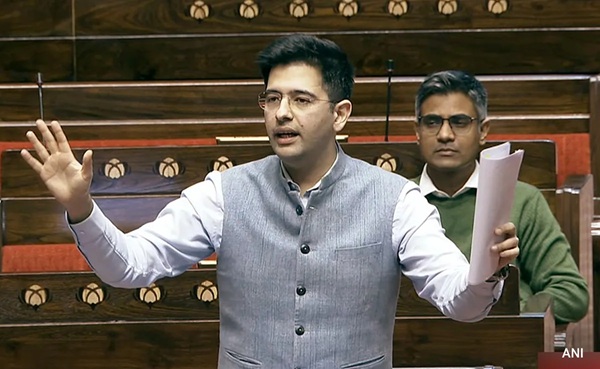
ప్రస్తుతం ఎక్స్ (Twitter), ఇన్స్టాగ్రామ్, ఫేస్బుక్ ఎక్కడ చూసినా ఎంపీ రాఘవ్ చద్దా ప్రసంగమే వినిపిస్తోంది! “మనల్ని ఇంతలా దోచుకుంటున్నారా?” అంటూ సామాన్య జనం షాక్కు గురవుతున్నారు. 28 రోజుల ప్లాన్ పేరుతో టెలికాం సంస్థలు చేస్తున్న ‘చట్టబద్ధమైన దోపిడీ’ని ఆయన పార్లమెంట్లో గణంకాలతో సహా నిలదీయడం ఇప్పుడు దేశవ్యాప్తంగా అగ్ని రాజేసింది. సామాన్యుల జేబులకు చిల్లు పెడుతూ, కార్పొరేట్ సంస్థలు కోట్లు గడిస్తున్న తీరుపై నెటిజన్లు ‘TelecomScam’ అంటూ హాష్ ట్యాగ్లతో రచ్చ చేస్తున్నారు.
28 రోజుల మాయాజాలం
సాధారణంగా క్యాలెండర్ ప్రకారం నెలకు 30 లేదా 31 రోజులు ఉంటాయి. కానీ టెలికాం కంపెనీలు మాత్రం 28 రోజులనే ఒక నెలగా పరిగణిస్తున్నాయి. దీనివల్ల ప్రతి నెలా 2 నుండి 3 రోజులు మిగిలిపోతాయి. ఇలా ఏడాది మొత్తం మీద చూస్తే వినియోగదారులు దాదాపు 24 నుండి 28 రోజులు అదనంగా నష్టపోతున్నారు. అంటే ఏడాదికి 12 నెలలు ఉంటే, వినియోగదారులు మాత్రం 13 సార్లు రీఛార్జ్ చేయాల్సి వస్తోంది. ఎంపీ రాఘవ్ చద్దా పేర్కొన్నట్లుగా, ఇది సామాన్యుడిపై మోపిన అదనపు భారం. ఈ విధానం ద్వారా కంపెనీలు దాదాపు 8 శాతం మేర అదనపు ఆదాయాన్ని పొందుతున్నాయి. ఏడాదికి రూ. వేల కోట్లు సామాన్యుల నుంచి కంపెనీల ఖాతాల్లోకి వెళ్తున్నాయి. క్యాలెండర్ నెల ప్రాతిపదికన 30 రోజుల ప్లాన్లను ఎందుకు అమలు చేయడం లేదన్న ప్రశ్న ఇప్పుడు టెలికాం నియంత్రణ సంస్థల ముందు నిలిచింది.
ఇన్కమింగ్ కట్ – డిజిటల్ వెలివేత కాదా?
రీఛార్జ్ ముగిసిన వెంటనే ఇన్కమింగ్ కాల్స్, ఎస్ఎంఎస్ సేవలను నిలిపివేయడంపై తీవ్ర అభ్యంతరాలు వ్యక్తమవుతున్నాయి. ఆధునిక కాలంలో బ్యాంకింగ్, రేషన్, ఆరోగ్య సమాచారం వంటి ప్రతి ప్రభుత్వ పథకం మొబైల్ నంబర్తోనే ముడిపడి ఉంది. రీఛార్జ్ లేదనే సాకుతో ఓటీపీలను నిలిపివేయడం అంటే పౌరుడిని డిజిటల్ వ్యవస్థ నుంచి వెలివేయడమేనని చద్దా ఆందోళన వ్యక్తం చేశారు. ఒక వ్యక్తి ప్రాణాపాయ స్థితిలో ఉన్నప్పుడు లేదా అత్యవసర ఆర్థిక లావాదేవీలు నిర్వహించాల్సి వచ్చినప్పుడు ఇన్కమింగ్ సేవలు లేకపోతే వచ్చే నష్టం ఎవరిది? కాల్ స్వీకరించినప్పుడు కంపెనీలకు ఇంటర్కనెక్ట్ వినియోగ ఛార్జీల రూపంలో ఆదాయం వస్తున్నప్పుడు కూడా సేవలు ఆపడం వెనుక ఉన్న ఉద్దేశ్యం కేవలం బలవంతంగా రీఛార్జ్ చేయించడమేనా అన్న సందేహాలు కలుగుతున్నాయి. ఇది పౌరుడి ప్రాథమిక జీవన గమనాన్ని ఆటంకపరచడమే అవుతుంది.
అంతర్జాతీయ ప్రమాణాలు
ప్రపంచవ్యాప్తంగా అభివృద్ధి చెందిన దేశాల్లో టెలికాం నిబంధనలు వినియోగదారులకు అనుకూలంగా ఉన్నాయి. ఉదాహరణకు, అమెరికాలోని ఏటీ అండ్ టీ (AT&T) వంటి సంస్థలు ‘డేటా రోల్ ఓవర్’ సౌకర్యాన్ని కల్పిస్తున్నాయి. బ్రిటన్లోని స్కై మొబైల్ తమ వినియోగదారుల డేటాను ఏకంగా మూడేళ్ల పాటు దాచుకునే వెసులుబాటు ఇస్తోంది. అంటే మనం సొమ్ము చెల్లించి కొన్న డేటా గడువు ముగియగానే రద్దు కాకూడదు. కానీ భారతదేశంలో మాత్రం వాడకుండా మిగిలిపోయిన డేటాను తర్వాతి నెలకు బదిలీ చేసే అవకాశం ఉండదు. సాంకేతికత ప్రపంచవ్యాప్తంగా ఒక్కటే అయినప్పుడు, నిబంధనల్లో భారత్కు మాత్రమే ఎందుకు ఈ వివక్ష? విదేశాల్లో పౌరుల హక్కులకు ఇచ్చే ప్రాధాన్యత మన దేశంలో కార్పొరేట్ లాభాలకే ఇస్తున్నారా అన్న ప్రశ్న ఉదయిస్తోంది. డేటా రోల్ ఓవర్ అనేది వినియోగదారుల ప్రాథమిక హక్కుగా గుర్తించాల్సిన అవసరం ఉంది.
రాజ్యాంగబద్ధమైన హక్కుగా డిజిటల్ యాక్సెస్
2025లో వచ్చిన ‘అమర్ జైన్’ తీర్పును ప్రస్తావిస్తూ.. డిజిటల్ యాక్సెస్ అనేది నేడు ఒక విలాసం కాదు. అది రాజ్యాంగబద్ధమైన హక్కు అని నిపుణులు విశ్లేషిస్తున్నారు. కమ్యూనికేషన్ అనేది భావ ప్రకటన స్వేచ్ఛలో ఒక భాగం. ఆర్థిక లావాదేవీల నుంచి పౌరుడిని దూరం చేయడం అంటే అతని జీవనోపాధిని దెబ్బతీయడమే. టెలికాం సంస్థలు లాభాల వేటలో పడి మానవ హక్కులను విస్మరిస్తున్నప్పుడు ప్రభుత్వాలు జోక్యం చేసుకోవాలి. కేవలం నిబంధనల పేరుతో సామాన్యుడిని ఇబ్బంది పెట్టడం ప్రజాస్వామ్య విలువల ఉల్లంఘన కిందకే వస్తుంది. డిజిటల్ ఇండియా నినాదం సాకారం కావాలంటే, ప్రతి పౌరుడికి కనీస సేవలు ఎల్లప్పుడూ అందుబాటులో ఉండాలి. సేవల నిలిపివేత అనేది అమానుషమైన చర్యగా భావించాల్సి ఉంటుంది. కార్పొరేట్ ప్రయోజనాల కంటే రాజ్యాంగ విలువలకే పెద్దపీట వేయాల్సిన సమయం ఆసన్నమైంది.
నియంత్రణ సంస్థల పాత్ర
టెలికాం నియంత్రణ సంస్థ అయిన ట్రాయ్ (TRAI) వినియోగదారుల ప్రయోజనాలను కాపాడటంలో విఫలమవుతోందన్న విమర్శలు వస్తున్నాయి. 30 రోజుల ప్లాన్లను కంపెనీలు ప్రవేశపెట్టాలని ఆదేశాలు ఉన్నా, వాటిని సామాన్యులకు దొరకకుండా వెబ్సైట్లలో మారుమూల ఉంచడం వంచన కాదా? కంపెనీల ఆదాయ మార్గాలను సుగమం చేయడమే లక్ష్యంగా నియంత్రణ సంస్థలు వ్యవహరిస్తున్నాయని సామాన్యులు ఆరోపిస్తున్నారు. బ్యాంకింగ్ రంగం తరహాలో టెలికాం సమస్యల కోసం ఒక స్వతంత్ర ‘అంబుడ్స్మన్’ వ్యవస్థ ఉండాలి. ప్లాన్ ముగిసిన తర్వాత కూడా కనీసం 60 నుండి 90 రోజుల పాటు ఇన్కమింగ్ కాల్స్ మరియు ప్రాథమిక ఎస్ఎంఎస్ సేవలను అందించేలా నిబంధనలు మార్చాలి. నియంత్రణ సంస్థలు తమ నిర్లిప్తతను వీడి, కార్పొరేట్ బాసుల కంటే సామాన్యుల ప్రయోజనాలే ముఖ్యమని గుర్తించాలి. అప్పుడే వ్యవస్థపై ప్రజలకు నమ్మకం కలుగుతుంది.
ప్రతిపాదిత సంస్కరణలు
టెలికాం రంగంలో నిర్మాణాత్మక మార్పులు రాకపోతే సామాన్యుడిపై భారం తగ్గే అవకాశం లేదు. ముందుగా 28 రోజుల బిల్లింగ్ విధానాన్ని పూర్తిగా రద్దు చేసి, క్యాలెండర్ నెల ప్రాతిపదికన ప్లాన్లను రూపొందించాలి. దీనివల్ల ఏడాదికి వినియోగదారుడికి ఒక నెల రీఛార్జ్ ఖర్చు తగ్గుతుంది. ఇన్కమింగ్ కాల్స్, ఎస్ఎంఎస్ సేవలను కనీసం మూడు నెలల పాటు ఉచితంగా అందించేలా చట్టం చేయాలి. డేటా రోల్ ఓవర్ సౌకర్యాన్ని ప్రతి ప్లాన్లో అంతర్భాగం చేయాలి. వినియోగదారుల ఫిర్యాదుల కోసం ప్రాంతీయ భాషల్లో సమర్థవంతమైన పర్యవేక్షణ వ్యవస్థ ఉండాలి. మొబైల్ కనెక్షన్ అనేది వ్యక్తిగత గుర్తింపు కార్డు లాంటిది కాబట్టి, దానిని నిలిపివేసే అధికారం కంపెనీలకు ఏకపక్షంగా ఉండకూడదు. ఇన్కమింగ్ సేవలను నిలిపివేయడం మానవ హక్కుల ఉల్లంఘనగా పరిగణించాలి. ఈ సంస్కరణలు అమలు చేసినప్పుడే నిజమైన డిజిటల్ ప్రజాస్వామ్యం సాకారం అవుతుంది.
పౌర స్పృహే పరిష్కారం!
ఎంపీ రాఘవ్ చద్దా లేవనెత్తిన ప్రశ్నలు కేవలం పార్లమెంట్ గోడల మధ్య ఆగిపోకూడదు. ఇది సామాన్యుడి ఆర్థిక స్వేచ్ఛకు సంబంధించిన అంశం. వ్యవస్థలో ప్రశ్నించే తత్త్వం నశించినప్పుడే కార్పొరేట్ దోపిడీకి పునాదులు పడతాయి. ఆ పునాదులను కూల్చే శక్తి ఒక్క పౌర స్పృహకే ఉంది. సోషల్ మీడియాలో ఈ చర్చ ఇంతలా ట్రెండ్ అవ్వడం ఒక ఆశాజనకమైన పరిణామం. ప్రభుత్వం, నియంత్రణ సంస్థలు ప్రజల గళాన్ని విని, తక్షణమే చర్యలు చేపట్టాలి. భారతదేశం నిజమైన డిజిటల్ శక్తిగా అవతరించాలంటే అది కార్పొరేట్ లాభాల్లో కాదు, సామాన్యుడి డిజిటల్ భద్రతలో ఉండాలి. వ్యవస్థను ప్రక్షాళన చేయాల్సిన బాధ్యత అందరిపైనా ఉంది. ప్రజలు తమ హక్కుల పట్ల అప్రమత్తంగా ఉన్నప్పుడే ఏ సంస్థ అయినా బాధ్యతాయుతంగా వ్యవహరిస్తుంది.