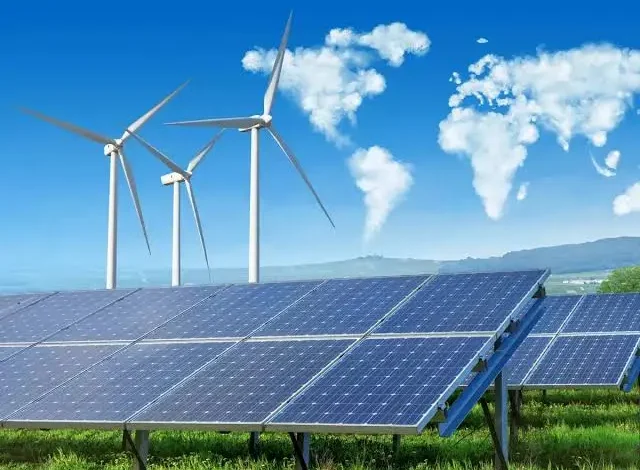
Energy Self-Reliance resources play a vital role in India’s development. By providing power for industries, agriculture, transportation, and households, they form a strong foundation for the country’s economic growth. At present, India’s total installed power generation capacity is approximately 510 gigawatts (GW), making it one of the largest power systems in the world. Of this, non-fossil fuel energy sources account for about 51.5% (262.7 GW). The country’s total renewable energy capacity has reached around 254 GW, including 132.9 GW of solar power and 54 GW of wind power. Due to a reliable electricity supply, India’s power shortage has declined significantly from 4.2% in 2013–14 to just 0.1% in 2024–25. In addition, electricity has been provided to more than 28 million (2.8 crore) households, leading to substantial improvements in education, healthcare, and overall living standards. India is currently the third-largest energy consumer in the world, reflecting both its rapid economic growth and rising energy demand. Expanding energy resources not only strengthens the country’s energy security but also creates employment opportunities and attracts investments. Furthermore, it will provide strong support for achieving the vision of a Developed India (Viksit Bharat) by 2047.
Impact of Crises in West Asia on India’s Energy Self-Reliance
Crises in West Asia have a significant impact on India’s energy self-reliance because the country still depends heavily on imports of crude oil and natural gas. India meets approximately 88–90% of its crude oil requirements through imports, making it one of the world’s largest importers of crude oil. Although India has recently increased its crude oil imports from Russia, nearly 45–50% of its crude oil imports still come from West Asian countries. In addition, about 68% of India’s LNG (Liquefied Natural Gas) imports and around 47% of its LPG (Liquefied Petroleum Gas) imports originate from West Asia. Whenever tensions or conflicts arise around the Strait of Hormuz, oil production and transportation are disrupted. As a result, international crude oil prices and maritime shipping costs rise sharply. Nearly one-fifth of the world’s total oil supply passes through the Strait of Hormuz, so any disruption in this strategic waterway has a direct impact on India’s energy security. To meet its growing energy needs while strengthening energy security, India is rapidly increasing investments in renewable energy, nuclear power, and green hydrogen. In addition, one of the country’s key goals is to achieve 500 gigawatts (GW) of non-fossil fuel electricity generation capacity by 2030, supporting long-term energy self-reliance and sustainable development.
Rising oil prices increase India’s import bill, widen the trade deficit, fuel inflation, and put pressure on the value of the Indian rupee. During 2023–24, India spent approximately US$178.7 billion on imports of crude oil and petroleum products. This clearly illustrates the economic impact of the country’s heavy dependence on energy imports. To reduce these risks, India has diversified its crude oil imports by increasing purchases from Russia, the United States, Brazil, and African countries. At the same time, it has expanded its strategic petroleum reserves and accelerated investments in clean energy sectors such as solar power, wind energy, biofuels, and green hydrogen. However, until domestic energy production and renewable energy sources are able to meet a much larger share of the country’s energy demand, geopolitical crises in West Asia will continue to affect India’s energy self-reliance whenever they occur.
Measures to Create Public Awareness for the Sustainable Use of Energy Resources
Public awareness and active participation are essential for the sustainable use of energy resources. To achieve this, the Government of India should organize National Energy Conservation Day every year on December 14 on a large scale and conduct extensive awareness campaigns on energy conservation through television, radio, newspapers, and social media platforms across the country. Topics such as energy conservation and climate change should be incorporated into school and college curricula so that students develop awareness about energy efficiency and conservation from an early age. People should also be encouraged to use LED (Light Emitting Diode) bulbs, as they consume about 75% less electricity than traditional incandescent bulbs. In addition, awareness campaigns should promote the adoption of rooftop solar power systems, electric vehicles (EVs), and energy-efficient appliances with Bureau of Energy Efficiency (BEE) Star Ratings.
Training programs and workshops should be organized for farmers, industries, and household consumers on methods to reduce energy wastage and improve energy efficiency. Digital platforms and mobile applications should be used to help people monitor their electricity consumption and encourage them to adopt energy-saving habits. Furthermore, local governments, non-governmental organizations (NGOs), and village- and urban-level community organizations should conduct awareness programs on renewable energy and sustainable lifestyles in both rural and urban areas. These initiatives will help reduce energy wastage, lower electricity bills, and decrease dependence on imported fuels. They will also play a crucial role in supporting India’s goal of achieving net-zero carbon emissions by 2070 and contributing to the achievement of the Sustainable Development Goals (SDGs).
Read More:



Adani Group Renewable Energy Targets 50GW by 2030 and 10GW Nuclear Expansion by 2035
World Bank clears financing for PM Surya Ghar Yojana rooftop solar programme across India
India connects 40 lakh homes to rooftop solar under PM Surya Ghar scheme
ONGC drills second geothermal well in Ladakh
104 Indian airports now operating on 100 pc renewable energy: Civil Aviation Minister