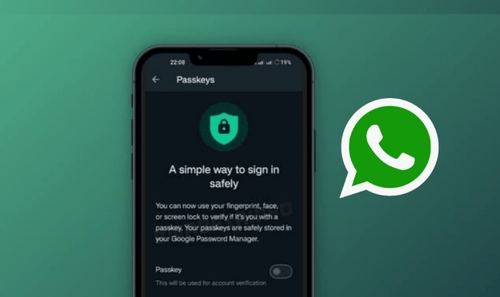
Meta-owned WhatsApp has announced to roll out support for a password-less passkey feature to all Android users.
The move will help WhatsApp users on Android bid goodbye to insecure and even annoying two-factor SMS authentication. “Android users can easily and securely log back in with passkeys. Only your face, finger print, or pin unlocks your WhatsApp account,” the company posted on X (formerly Twitter) late on Monday.
Passkeys were previously being tested by WhatsApp in its beta channel, but it’s now coming to regular users. There is still no information on support for WhatsApp passkeys on iPhones.
Android support will roll out over the coming weeks and months, according to the company. Passkeys can replace traditional passwords with your device’s own authentication methods.
Apple and Google already support passkeys for their users. Google last week prompted users to shun passwords on their accounts in favour of passkeys.
To use passkeys, you just use a fingerprint, face scan or pin to unlock your device, and they are 40 per cent faster than password, and rely on a type of cryptography that makes them more secure.




“But while they’re a big step forward, we know that new technologies take time to catch on, so passwords may be around for a little while,” Google had said in a statement.
Google earlier this year rolled out support for passkeys, a simpler and more secure way to sign into your accounts online, and received positive feedback.