పర్యటకం.. ఒట్టి బూటకం?! రుషికొండ రహస్య కోట.. వాస్తవాలివి

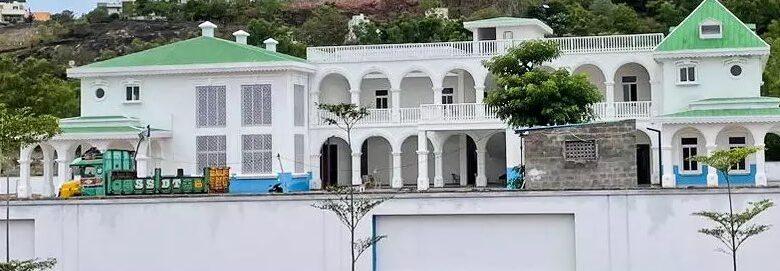
ఒకటి కాదు రెండు కాదు.. ఏకంగా రూ. 5 వందల కోట్ల ప్రజాధనంతో జగన్ జల్సామహల్.. రాజమహల్ కు ఏ మాత్రం తీసిపోదు..మొన్నటిదాకా అవి టూరిజం భవనాలన్నారు.. పవర్ దిగాక గానీ తెలియలేదు అవి గత పాలకుల విలాస రాజభవనాలని…
ప్రజల సొమ్ముపై తనకేదో పేటెంట్ హక్కులు ఉన్నట్లు ఇష్టానుసారం ఖర్చుచేసి.. తాడేపల్లి ప్యాలెస్ నుంచి రాచరిక పాలన సాగించారు మాజీ సీఎం జగన్. అధికారంలో ఉన్నన్ని రోజులు ప్రజాసంక్షేమం కన్నా తన విలాసాలకే ఎక్కువ ప్రాధాన్యత ఇచ్చారు. అందుకు నిదర్శనమే.. విశాఖలోని రుషికొండ ప్యాలెస్..
దేశంలో మరెక్కడా లేనటువంటి విలాసవంతమైన భవనాలను నిర్మించారు. అత్యంత రహస్యంగా వీటిని నిర్మించారు. లాభాల్లో ఉన్న టూరిజం భవనాలు కూల్చి రాజభవనాలు నిర్మించి..ఫైవ్స్టార్ హోటల్, సీఎం క్యాంప్ ఆఫీస్, టూరిజం ప్రాజెక్ట్, ఫేజ్ 1, 2 అంటూ జనాలకు కాకమ్మ కథలు చెప్పారు. నాడు ప్రజావేదిక చట్టవిరుద్ధమని కూల్చినవారే తన కోసం ఈ భవనాన్ని ఎలా నిర్మించుకున్నారు? అప్పట్లో ప్రభుత్వం చెప్పినట్టు.. పర్యావరణ రిసార్ట్స్కు సంబంధించిన ఆనవాలేవి కనిపించడం లేదు.
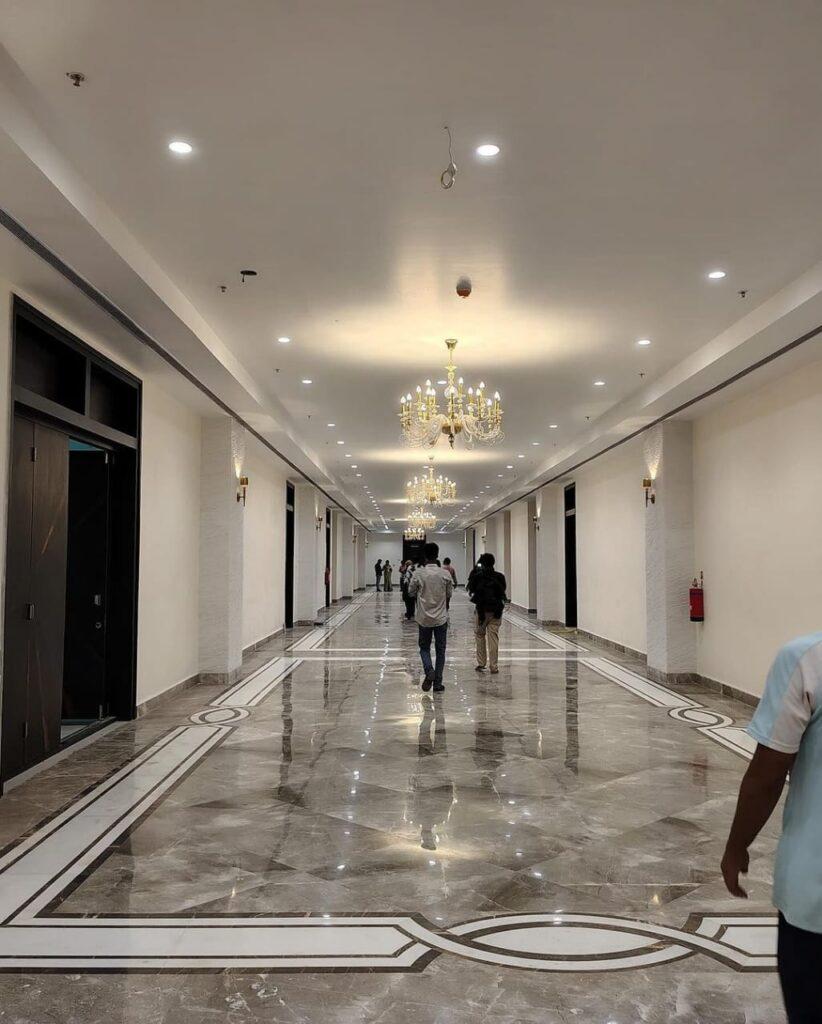
పర్యాటకుల కోసమే దీనిని కడితే రాత్రికి వారు బస చేయడానికి గదులు ఉండాలి. అవి ఒక్కొక్కటి 300 నుంచి 500 చదరపు అడుగుల విస్తీర్ణంలో ఉండాలి. ఆ సైజులో ఇక్కడి ప్యాలెస్లో ఒక్క రూమ్ కూడా లేకపోవడం విచిత్రం. బాత్రూమ్ కూడా బెడ్రూమ్ సైజులో ఉంది. ఫైవ్స్టార్ హోటల్ను మించిపోయే వసతులు ఇక్కడ ఉన్నాయి. రూ.500 కోట్లతో సాగించిన ఈ ప్యాలెస్లో ఒక్కో హాల్, మార్బుల్, ఫర్నిచర్ ఇరాక్ మాజీ అధ్యక్షుడు సద్దాం హుస్సేన్, కర్ణాటకకు చెందిన గనుల వ్యాపారి గాలి జనార్దన్రెడ్డి వంటి వారు నిర్మించిన భవనాలను తలదన్నేలా ఉన్నాయి.
సాధారణంగా ప్రభుత్వం ఏదైనా నిర్మించినప్పుడు అది ఎందుకు కడుతున్నదీ అనే విషయాన్ని డ్రాయింగ్స్తో సహా తెలియజేస్తుంది. కానీ, దానికి భిన్నంగా అత్యంత రహస్యంగా ఎందుకు చేపట్టా రు? రుషికొండపై మొత్తం 61 ఎకరాలు ఉండగా, 9.8 ఎకరాల్లో నిర్మాణాలు సాగించారు. పాత భవనాల కూల్చివేతకు, ల్యాండ్ స్కేపింగ్కు టెండర్లు పిలుస్తారు. అవి కూడా గుట్టుగానే జరిగాయి. ఆ టెండర్లు, భవన నిర్మాణ పనులను సైతం వైసీపీ నాయకులకే కట్టబెట్టారు.

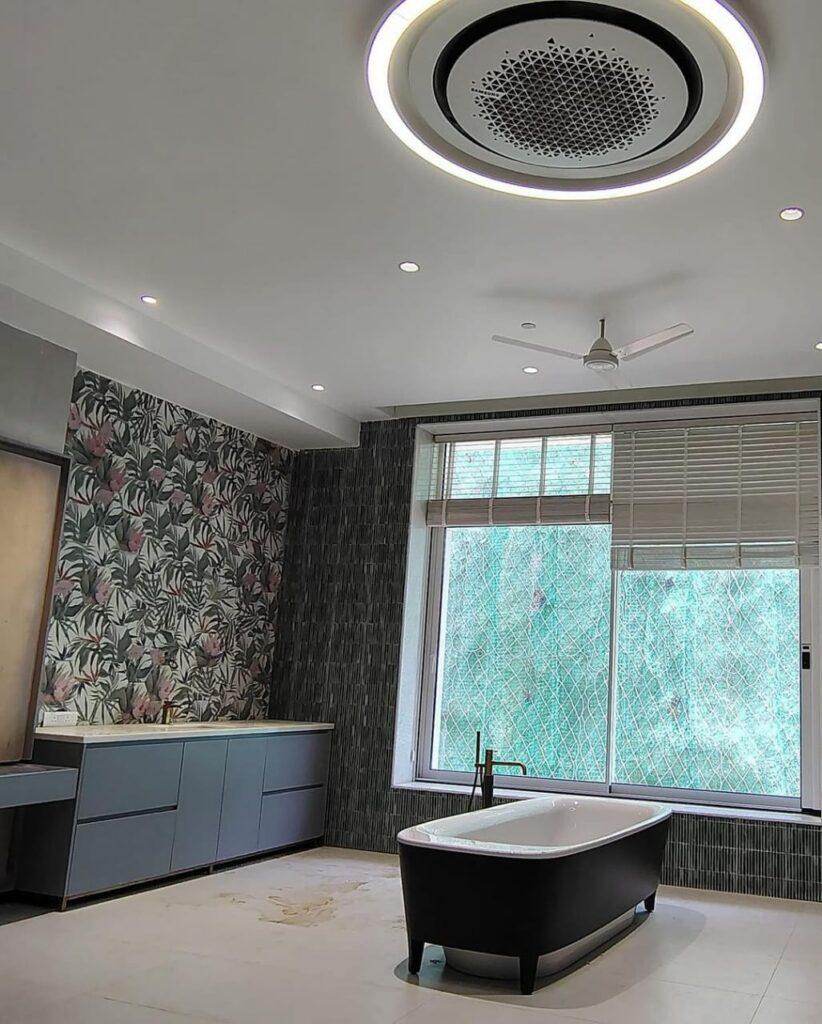
ఒకవేళ ప్రముఖుల కోసం, పర్యాటకుల కోసమే విలాసవంతమైన భవనాలను నిర్మించి ఉంటే..ఆ విషయం బయటకు చెప్పకుండా ఎందుకంత రహస్యంగా ఉంచారన్న దానికి వైసీపీ నేతల నుంచి సరైన సమాధానం రావడం లేదు. రుషికొండ రాజభవన రహస్యాలను గంటా శ్రీనివాసరావు బయటపెట్టినప్పటి నుంచి ఏపీలోనే కాదు… మొత్తం దేశమంతా దీని గురించే చర్చ జరుగుతోంది. అసలా భవనాలను అంత ఖర్చుపెట్టి అంత అధునాతనంగా ఎందుకు తీర్చిదిద్దారు..? పనులు జరుగుతున్నన్ని రోజులు ఎవరినీ అక్కడికి ఎందుకు అనుమతించలేదు..? కేంద్ర, రాష్ట్ర ప్రభుత్వాల పెద్దల కోసం నిర్మించినప్పుడు ఆ విషయాన్ని రహస్యంగా ఉంచాల్సిన అవసరమేంటి..? ఇప్పుడీ రాజప్రసాదాలను టీడీపీ ప్రభుత్వం ఏం చేయబోతోంది..? అత్యాధునిక హంగులతో ఉన్న భవనాలను ఇప్పుడేం చేయాలన్నది టీడీపీ కూటమి ప్రభుత్వానికి అతిపెద్ద సవాల్ గా మారింది.
అంతకుముందున్న హరిత రిసార్ట్ వల్ల ఏడాదికి ఎనిమిది కోట్ల వరకు ఆదాయం వచ్చేది. దానిని కూల్చివేయడం వల్ల ప్రభుత్వానికి ఆ ఆదాయం పోయింది. 20 అడుగుల ఎత్తులో బారికేడ్లు పెట్టి మరీ ఈ భవన నిర్మాణాన్ని పూర్తి చేశారు.
ఒకవేళ స్టార్ హోటల్ గా చేద్దామంటే ఆ ప్యాలెస్ లో ఉన్నది 12 బెడ్ రూంలే. టూరిజం భవనంగానూ పనికిరాదు. పోనీ సీఎం విశాఖ క్యాంప్ ఆఫీసుగా వినియోగిద్దామంటే సింప్లిసిటీకి ప్రాధాన్యత ఇచ్చే చంద్రబాబు అంత ఖరీదైన ప్యాలెస్ ను వినియోగించడానికి అంగీకరించరు. రూ. 550 కోట్ల ప్రజాధనాన్ని దుర్వినియోగం చేసి కట్టిన ఆ భవనాన్ని ఉపయోగకరంగా మార్చాలంటే ఏం చేయాలి? ఎవరికీ అర్ధం కాక అంతా తలలు పట్టుకుంటున్నారు. అయితే చంద్రబాబు మాత్రం ఈ విలాస భవనం వినియోగం విషయంలో టాటా గ్రూప్ ను సంప్రదించినట్లు తెలుస్తోంది. ఎందుకంటే టాటా గ్రూపు మూడు బ్రాండ్ల కింద హోటల్స్ ను నడుపుతోంది. అందులో పెద్ద బ్రాండ్ ఇండియన్ హోటల్స్ కంపెనీ లిమిటెడ్. ఆ కంపెనీకి ఈ రుషికొండ ప్యాలెస్ నిర్వహణ బాధ్యత అప్పగించాలని ఆయన యోచిస్తున్నట్లు చెబుతున్నారు. ఈ మేరకు ఇప్పటికే టాటా గ్రూప్ తో సంప్రదించినట్లు చెబుతున్నారు. అలా టాటా గ్రూప్ కు అప్పగించడం ద్వారా వచ్చే ఆదాయాన్ని అన్నా క్యాంటీన్లకు వినియోగించాలన్నది చంద్రబాబు ఆలోచనగా చెబుతున్నారు.
ఈ విషయమై సీఎం చంద్రబాబు త్వరలో విశాఖలో పర్యటిస్తారని తెలుస్తుంది. ఏపీకి అమరావతి పూర్తిస్థాయి రాజధానిగా ఉంటుందని, విశాఖను ఆర్థిక రాజధానిగా తీర్చిదిద్దుతామని చంద్రబాబు హామీ సైతం ఇచ్చారు. రుషికొండ భవనాలు కార్పొరేట్ల సమావేశాలకు, దేశవిదేశీ ప్రముఖులు, సెలబ్రిటీలు బస చేయడానికి అనువుగా ఉన్నాయి. భవనాలను కొన్ని ప్రైవేట్ వ్యాపార సంస్థలకు లీజుకిచ్చి, ఆ ఆదాయంతో సంక్షేమ కార్యక్రమాలను అమలు చేయాలన్న సూచనలు అందుతున్నాయి. సీఎం చంద్రబాబు దీనిపై తుదినిర్ణయం తీసుకోవాల్సి ఉంది.