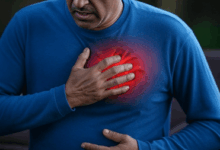
The Rising Challenge of Lifestyle Diseases in India- A Pioneering Step from AIIMS Nagpur

In today’s world the snacks we consume have a significant impact on our health. However, many lack the awareness to distinguish between what’s good and what’s harmful. Changing dietary habits, coupled with increased consumption of processed and high-calorie foods, are rapidly escalating lifestyle-related diseases in India. Worrying estimates suggest that if current trends persist, around 440 million Indians could be overweight or obese by 2050. Our traditional snacks, such as samosas repeatedly fried in oil and jalebis drenched in sugar syrup, are major contributors to high trans-fat and sugar intake. Cardiology experts warn that such eating habits significantly increase the risk of non-communicable diseases (NCDs) like diabetes, high blood pressure, and heart-related ailments.
AIIMS Nagpur’s Pilot Project-A New Path to Health:
In response to this alarming situation for the first time in India the Union Health Ministry has launched a crucial public health initiative to educate people about healthy and appropriate snack choices.
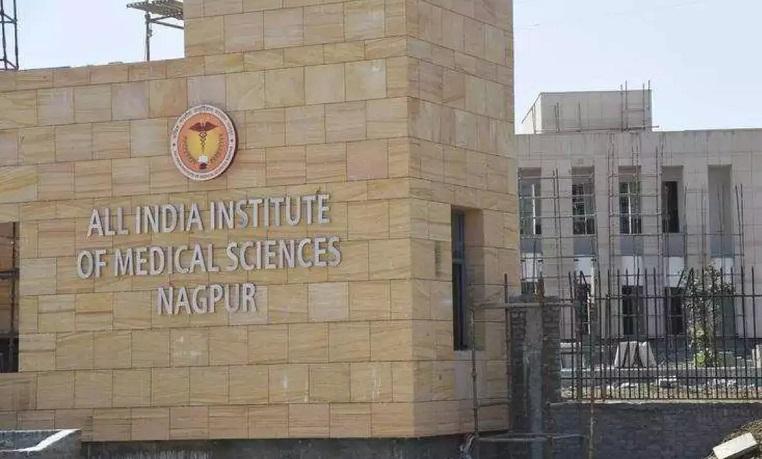
This innovative program introduces health warnings on commonly consumed high-fat and high-sugar Indian snacks such as samosas, jalebis, pakoras, vada pav, and tea biscuits. The pilot project has been launched at AIIMS Nagpur, making it a role model for the nation in promoting healthy eating habits. Here, in canteens, restaurants, and at counters selling traditional snacks, ‘Oil and Sugar Boards’ are prominently displayed. These effectively communicate health risks to consumers at the point of purchase, signaling the dawn of a revolutionary change.
*Awareness for a Healthier Future:
The primary objective of this initiative is to increase consumer awareness about the health risks associated with excessive consumption of these snacks, thereby combating the rapid spread of NCDs in the country. Officials have clarified that this is purely an awareness campaign, not a ban of any kind. They also stated that the program aligns with the ‘Fit India’ movement. It’s not about frightening people, but about providing them with accurate information and encouraging them to take charge of their own health.

*Expert Advice and Consumer Guidance -The Need for Collaboration:
Health experts have welcomed this initiative by the Ministry of Health as a positive step towards increasing nutritional awareness among the public. They emphasize the importance of mindful eating and balanced food choices for overall health. They advise moderation, pointing out that regular consumption of high-fat and high-sugar foods increases health risks. Experts encourage people to adopt a diverse diet rich in unprocessed, whole foods and to understand the nutritional value of what they eat. While the program has garnered support from nutritionists, some vendors have expressed concerns about its potential impact on their livelihoods and the cultural acceptance of Indian snacks.
The Ministry of Health acknowledges these concerns, reiterating that the program’s primary goal is awareness, not prohibition. A senior official from the ministry explained, “This campaign is not about banning our beloved Indian snacks, but about informing the public about the hidden dangers of excessive consumption in the form of fats, sugars, and trans fats. We believe that knowledge helps in making better choices.”
*Lessons from the Past- The Need for New Strategies:
Previous educational campaigns aimed at promoting balanced diets have had limited success in changing public behavior. This has led policymakers to focus on more direct methods. This new approach draws inspiration from international tobacco control efforts, where graphic health warnings successfully informed consumers and reduced harmful consumption. By applying similar strategies to food, the government is focusing on preventive care and signaling a revolutionary shift in public health policy development through informed consumer decisions. Let’s hope this change bodes well for India’s health future.