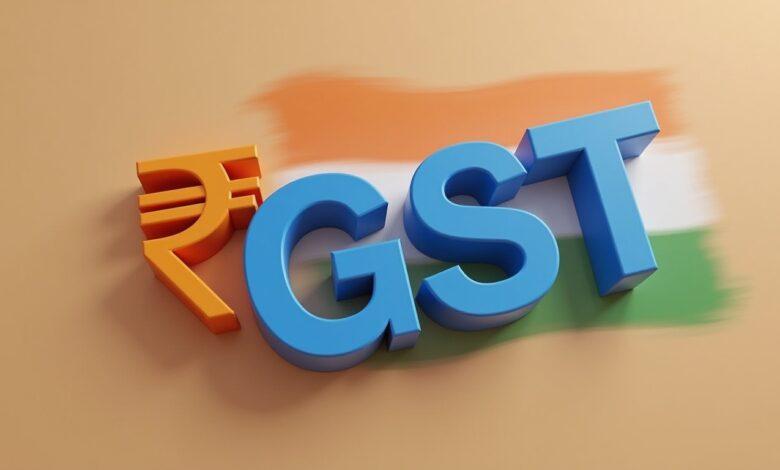
India’s economy stands on the cusp of a new era. On September 22, 2025, the nation is set to implement GST 2.0, the most significant indirect tax reform since the introduction of the Goods and Services Tax (GST) in 2017. This new tax regime is more than a mere adjustment of tax rates; it is a transformative policy designed to fundamentally reshape the country’s economy and the lives of its citizens. Economic experts believe this change will lay a strong foundation for sustainable economic growth, increased consumption, and enhanced social welfare.
A Historical Context: The Rationale for GST 2.0
While the original GST brought significant benefits, its implementation also highlighted several challenges. The previous four-tier tax structure (5%, 12%, 18%, and 28%) created classification complexities and made the tax system cumbersome. The 12% tax on some essential goods placed a burden on the middle class, while the high 28% tax on luxury items like electronics and home appliances made them less accessible to the general public. To address these issues, the GST Council and the Central government conducted extensive discussions and studies, culminating in the creation of GST 2.0. This reform is not just a policy change; it is a direct response to the aspirations of the people.
Key Changes and Their Impact: Rate Rationalisation
The most significant change in GST 2.0 is the consolidation of tax rates into two primary slabs: 5% and 18%. This simplification is expected to create a more predictable and transparent economic environment.
Reduced Burden on Essential Goods: Many essential goods previously in the 12% slab—such as biscuits, cakes, dried fruits, and packaged foods—have been moved to the 5% slab. This will lead to significant monthly savings for households, providing considerable relief to lower and middle-income families. The resulting increase in their purchasing power is projected to boost economic activity.




Enhanced Accessibility to Electronics: Items like air conditioners, televisions, refrigerators, washing machines, and certain cars, which were previously taxed at 28%, are now in the 18% slab. This could lead to a price reduction of up to 10%, making these products more affordable for the middle class. Industry experts anticipate this change will drive substantial growth in the electronics and home appliance markets.
Economic and Social Implications:
GST 2.0 is not solely about tax rates; it has far-reaching effects on various sectors of the economy.
* A New Era for the Automobile Sector: The tax rate on small cars and motorcycles with an engine capacity below 350cc has been reduced from 28% to 18%. This will make it easier for middle-class consumers to purchase their own vehicles, potentially leading to a surge in sales and job creation in the automotive industry.
* Encouraging Financial Security: The complete removal of GST on personal health and life insurance premiums is a revolutionary decision. With insurance penetration still low in India, this move makes it more affordable, encouraging individuals to secure their financial future. This will not only improve social security but also drive significant growth in the insurance sector.
* Benefits for Livestock and Agriculture: The complete removal of tax on key dairy products like UHT milk, paneer, and roti directly benefits farmers and dairy producers, helping to bolster the agricultural sector.
GST 2.0: Navigating Challenges and Solutions:
It is natural for any major reform to present challenges. While the primary goal of GST 2.0 is to rationalise tax rates and benefit consumers, its full success depends on effectively addressing the complex issues that may arise during its implementation.
One significant challenge is the potential impact on state revenues. Although the tax rate on some luxury goods has been increased to 40%, certain states worry that their tax revenue might decline. Since tax revenue is crucial for funding state-level economic development and welfare schemes, robust coordination between the Central and state governments is essential. There must be a clear policy on compensation from the Central government should tax revenues decline. By providing proper assurances, the Central government can alleviate state concerns. Additionally, strong measures are needed to prevent the increase in illicit trade of luxury goods due to the higher tax rate.
Another major challenge is the transition for small and medium-sized businesses (SMEs). Adapting to new accounting methods and software can be a daunting task, particularly for small businesses in rural areas. To address this, the government should offer special training programs and simplified software platforms. A user-friendly interface through the GST Network would make it easier for businesses to file taxes. Furthermore, providing small traders with extra time or short-term exemptions for filing tax returns in the initial phase would offer much-needed relief.
Creating widespread awareness among the public and businesses about the changes is also a crucial challenge. The benefits of the new policy and its implementation process must be communicated clearly through media campaigns, seminars, and government websites. People must have no doubts about the tax rates on different goods and the expected price reductions.
If these challenges are effectively managed, the full benefits of GST 2.0 will be realised. The government is treating this change as a social responsibility and moving forward with an inclusive approach. With public participation, cooperation from the business community, and strong coordination between the Central and state governments, this reform is poised for success. It will strengthen India’s economy and help it emerge as a global economic powerhouse.
A New Direction for India’s Future:
This reform is not merely about improving the tax system; it is a crucial step towards making the nation’s economy more resilient. By simplifying tax rates, promoting consumption, and prioritising social welfare, this policy is set to bring about a significant change in the lives of ordinary citizens. While there may be some short-term challenges, in the long run, it will accelerate India’s economic growth and lead the country towards a more developed future. This is truly a new direction for the nation’s economic future and a beacon of hope for all.